Five Arrested After Hong Kong Police Raid Independent Bookshops
Hong Kong police have arrested five people following coordinated raids on several independent bookstores, alleging that they were selling publications deemed "seditious" under the city's national security laws. The operation has reignited international debate over freedom of expression, press freedom, and the evolving legal landscape in Hong Kong.
According to authorities, the individuals are suspected of distributing books that allegedly incited hatred against the government and encouraged opposition to state institutions. The investigation is ongoing, and the suspects remain subject to legal proceedings.
What Happened?
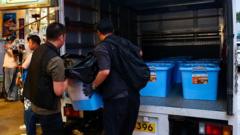
Police officers carried out searches at multiple independent bookstores and related premises, seizing a number of books and printed materials. Authorities stated that the publications were believed to contain content considered seditious under Hong Kong's legal framework.
The five individuals arrested are suspected of publishing, distributing, or selling materials that officials say could undermine public order or encourage hostility toward the government.
At the time of writing, formal court proceedings are expected to determine whether charges will be filed and whether the seized publications violate the law.
Why Were the Arrests Made?
Hong Kong authorities said the books allegedly promoted messages that could incite hatred against the government or encourage actions viewed as threatening national security.
The arrests were made under laws that allow authorities to investigate publications considered to be seditious or harmful to national security. Officials argue that these laws are necessary to maintain stability, public safety, and social order.
National Security Laws in Hong Kong
Since the introduction of the National Security Law in 2020, Hong Kong has expanded legal measures aimed at preventing activities considered threats to national security.
The legislation criminalizes offenses including:
- Secession
- Subversion
- Terrorist activities
- Collusion with foreign forces
- Certain forms of sedition under related legislation
Supporters of the law say it has restored stability following periods of political unrest, while critics argue that it has significantly narrowed space for free expression and independent publishing.
International Reactions
The raids have drawn attention from international governments, human rights organizations, and free speech advocates.
Critics argue that actions against bookstores and publishers may have a chilling effect on freedom of expression, academic discussion, and independent publishing.
Meanwhile, Hong Kong and Chinese authorities maintain that law enforcement actions target only activities that violate the law and are not intended to restrict lawful expression or legitimate publishing.
The Broader Context
Independent bookstores have long played an important role in Hong Kong's literary and cultural landscape, often offering publications that may not be widely available elsewhere.
In recent years, however, the publishing industry has experienced increasing scrutiny under national security legislation, leading some bookstores to close, remove certain titles, or adjust their operations.
The latest arrests are part of a broader trend in which authorities have taken action against organizations and individuals accused of violating national security laws.
What Happens Next?
The investigation remains ongoing, and prosecutors will determine whether formal charges are brought against the five individuals. If charged and convicted, penalties will depend on the specific offenses under Hong Kong law.
The case is likely to receive close attention both within Hong Kong and internationally, as it raises continuing questions about the balance between national security, public order, and freedom of expression.
Final Thoughts
The arrest of five people following police raids on independent bookstores highlights the continuing impact of Hong Kong's national security legislation on the city's publishing sector. While authorities say the operation was necessary to enforce laws against seditious publications, critics view it as another example of tightening restrictions on free expression.
As legal proceedings continue, the case is expected to remain a focal point in discussions about civil liberties, publishing, and the future of freedom of expression in Hong Kong.