Trump’s Seizure of Maduro Raises Thorny Legal Questions, in the US and Abroad
The capture and transfer of former Venezuelan president Nicolás Maduro to the United States has sparked intense debate among legal experts, raising complex questions under US law and international law. US Attorney General Pam Bondi said Maduro was brought to the United States to “face justice,” framing the move as a lawful step to hold him accountable. However, legal scholars and international observers warn that the manner in which Maduro was seized could set a controversial precedent.
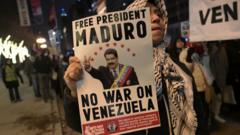
The US Government’s Position
US officials argue that Maduro faces serious criminal allegations and that his transfer to the US is justified under existing legal frameworks. According to the Department of Justice, the objective is to ensure accountability through the American judicial system.
Attorney General Bondi emphasized that the action was necessary to uphold the rule of law and prevent impunity for alleged crimes.
Legal Concerns in the US
Some legal experts have questioned whether the executive branch exceeded its authority by capturing a former foreign head of state without a traditional extradition process. Critics argue that bypassing judicial oversight could raise constitutional concerns, particularly regarding due process and separation of powers. Others point out that US courts have historically allowed prosecutions even when suspects were brought into the country under controversial circumstances — a legal doctrine that may now be tested again.
International Law and Sovereignty Issues
Outside the US, the seizure has triggered serious concerns over national sovereignty and international norms. Under international law, forcibly removing a former leader from another country without consent may violate principles enshrined in the UN Charter. Several analysts warn that such actions could weaken international legal standards and invite retaliation or similar conduct by other nations.
Global Reactions and Precedent
Governments around the world are closely watching the case, as it could redefine how powerful nations deal with foreign leaders accused of crimes. Supporters argue the move demonstrates strength against authoritarianism, while critics fear it undermines diplomatic norms and global stability.
What Happens Next?
US courts will now have to determine whether the case can proceed without violating constitutional or international legal principles. Meanwhile, international bodies and foreign governments may seek clarification or challenge the legality of the operation. As the legal battle unfolds, the case is expected to become a landmark moment in the intersection of geopolitics, criminal justice, and international law.