‘They Just Kept Killing’: Eyewitnesses Describe Deadly Crackdown in Iran
Eyewitnesses across Iran have described a brutal and deadly crackdown by security forces as nationwide anti-government protests continue to shake the country. According to accounts received by the BBC, protesters were met with overwhelming force, including live ammunition, as authorities moved to suppress demonstrations that began over economic hardship and quickly escalated into broader political unrest.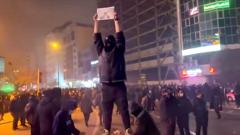
Eyewitness Accounts of Violence
Multiple witnesses told the BBC that security forces fired directly at crowds of unarmed protesters in cities and towns across Iran. One witness described seeing people fall instantly as shots rang out, while another said security forces “just kept killing,” leaving streets littered with bodies. In some residential neighborhoods, armed units reportedly entered alleys and side streets, shooting indiscriminately and leaving residents too frightened to leave their homes.
Several accounts point to the involvement of Iran’s Revolutionary Guard and Basij militia, with witnesses describing armed men on motorcycles and in unmarked vehicles opening fire without warning. These testimonies suggest a pattern of coordinated and deliberate use of lethal force rather than crowd-control measures.
Rising Death Toll and Injuries
Exact casualty figures remain difficult to verify due to strict government controls on information and widespread internet shutdowns. However, human rights groups estimate that thousands may have been killed during the crackdown, including women and children. Hospitals are reportedly overwhelmed, with doctors describing large numbers of gunshot wounds, including injuries to the head and eyes—raising concerns about intentional targeting.
Videos and images circulating online, despite heavy censorship, appear to show overcrowded morgues and mass funerals taking place under tight security.
Information Blackout and Fear
As the protests intensified, Iranian authorities imposed severe internet restrictions, making it nearly impossible for residents to communicate with the outside world. Journalists and activists say the blackout has been used to conceal the scale of the violence and prevent real-time reporting. Many families remain unaware of the fate of missing relatives, while others fear speaking publicly could lead to arrest or worse.
Government Response
Iranian state media has dismissed the protests as riots fueled by foreign interference and labeled demonstrators as “terrorists.” Officials have defended the actions of security forces as necessary to restore order. Pro-government rallies have also been organized, with authorities seeking to project an image of national unity and control.
International Reaction
The violent crackdown has drawn widespread international condemnation. Human rights organizations and foreign governments have called for independent investigations and accountability for those responsible. The United Nations has expressed serious concern over reports of excessive force and urged Iranian authorities to respect human rights and allow peaceful assembly.
A Worsening Human Rights Crisis
The events described by eyewitnesses mark one of the deadliest episodes of civil unrest in Iran in recent years. As protests continue and information remains tightly controlled, the full scale of the human cost may not be known for some time. What is clear, however, is that Iran is facing a deepening human rights crisis, with ordinary citizens paying the highest price.