Europe revisits military service amid security concerns
The question of mandatory or voluntary military service is once again under discussion across Europe as the war in Ukraine continues to influence regional security policies. Several countries maintain compulsory service, while others rely on voluntary enlistment, reflecting diverse approaches to national defence.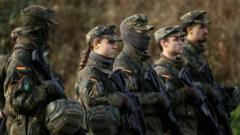
Countries such as Norway, Finland, and Switzerland continue to enforce mandatory military service for certain age groups, often with alternative options for non-combat roles. In contrast, nations including Germany, Spain, and Italy have largely moved to voluntary professional armies, though they retain the legal framework to reinstate conscription if necessary.
The ongoing conflict in Eastern Europe has prompted renewed debate about the benefits and drawbacks of compulsory service. Advocates argue that it strengthens national defence, fosters civic responsibility, and ensures a ready reserve of trained personnel. Critics counter that conscription can disrupt education and careers, and may be unpopular among younger populations.
Some European states have introduced hybrid systems, combining voluntary service with selective conscription during emergencies, while others provide incentives for enlistment, such as education benefits or career opportunities in the armed forces.
The evolving security environment in Europe, coupled with geopolitical tensions, has made questions of military readiness and citizen participation more pressing. Policymakers continue to weigh historical tradition, practical defence needs, and public opinion as they consider the future of military service across the continent.