The 'thorny' issues that threaten to derail a Russia-Ukraine peace deal
Efforts to negotiate a peace deal between Russia and Ukraine continue to face serious obstacles, with several highly sensitive and complex issues threatening to derail progress. Among the most difficult challenges are disputes over territory and the future of Europe’s largest nuclear power plant, both of which remain unresolved and deeply contentious.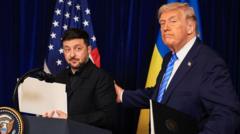
One of the biggest sticking points is territorial control. Russia currently occupies large areas of Ukrainian territory, including regions that Ukraine insists must be fully returned as part of any peace agreement. Moscow, however, has signalled it is unwilling to relinquish control over areas it claims to have annexed. For Kyiv, accepting the loss of territory would be politically explosive and could undermine national sovereignty, while for Russia, withdrawing could be seen as a strategic and symbolic defeat.
One of the biggest sticking points is territorial control. Russia currently occupies large areas of Ukrainian territory, including regions that Ukraine insists must be fully returned as part of any peace agreement. Moscow, however, has signalled it is unwilling to relinquish control over areas it claims to have annexed. For Kyiv, accepting the loss of territory would be politically explosive and could undermine national sovereignty, while for Russia, withdrawing could be seen as a strategic and symbolic defeat.
Another major concern is the Zaporizhzhia nuclear power plant, the largest in Europe, which has been under Russian control since the early stages of the war. The plant’s status presents a serious security and safety risk, as fighting in the surrounding area has raised fears of a nuclear accident. Ukraine insists the facility must be returned to its control, while Russia has suggested it should remain under Russian administration or international supervision. Any agreement would require complex guarantees to prevent militarisation and ensure the plant’s safe operation.
Beyond territory and nuclear safety, broader issues such as security guarantees, sanctions relief, war crimes accountability, and Ukraine’s future relationship with NATO and the European Union also complicate negotiations. Each of these topics carries long-term implications for regional stability and international law, making compromise politically difficult for both sides.
International mediators continue to push for dialogue, warning that without meaningful progress, the conflict risks becoming permanently frozen or escalating further. While there is global pressure to end the war, analysts say the gap between the two sides remains wide, and resolving these “thorny” issues will require concessions that neither Moscow nor Kyiv currently appears ready to make.
As a result, any peace deal remains uncertain, with diplomatic efforts fragile and highly vulnerable to collapse if progress stalls on these core disputes.
Source: BBC News