Colombia’s underground cathedral: A sanctuary 180 metres below ground
Deep beneath the surface of Colombia, a cathedral carved into a salt mine rises 180 metres underground, offering a remarkable combination of faith, history, and architecture. The idea for the subterranean sanctuary originated in the 1930s, when miners began constructing makeshift altars within the mine to pray for their safety before starting their shifts.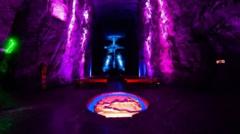
Over the decades, the modest altars evolved into a fully developed cathedral, complete with vaulted ceilings, chapels, and intricate religious sculptures, all carved directly from the salt walls. The underground setting creates a unique atmosphere, with the natural crystalline surfaces reflecting light and amplifying the sense of reverence.
Today, the cathedral serves not only as a place of worship but also as a popular tourist destination, drawing visitors from around the world who come to witness its unusual beauty and the miners’ legacy of devotion. The site also hosts religious ceremonies, cultural events, and guided tours, blending spiritual tradition with historical significance.
Architects and cultural historians note that the cathedral is a rare example of human creativity harmonising with natural resources, transforming a working mine into a monumental sacred space. It stands as a testament to the enduring faith and ingenuity of the miners who first built altars nearly a century ago.