Bulgaria abandons euro-based budget plan after mass protests
Bulgaria’s government has withdrawn a proposed national budget following widespread protests that drew tens of thousands of people onto the streets. The plan, which would have been the country’s first budget drafted in euros, sparked strong public opposition amid accusations of corruption and lack of transparency.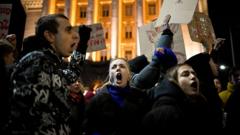
Demonstrators argued that the proposed budget masked deep-rooted problems within the government, including alleged misuse of public funds and weak oversight. Protesters said adopting a euro-based framework without addressing these concerns would undermine public trust and place additional burdens on citizens.
The protests reflected broader frustration over governance, rising living costs, and long-standing political instability. Many participants said the budget debate symbolised deeper issues related to accountability and the pace of Bulgaria’s integration into European economic structures.
In response to the scale of public backlash, government officials announced that the budget plan would be scrapped and revised. Authorities acknowledged the need for further dialogue and signalled that any future proposal would require stronger public support and clearer anti-corruption measures.
The episode highlights the political sensitivity surrounding euro adoption in Bulgaria, as well as the growing influence of public mobilisation on economic policymaking. Analysts say the protests may shape future reforms and force leaders to address public concerns more directly before advancing major financial changes.