US to assist South Korea in building nuclear-powered attack submarines: What it means
The United States has agreed to help South Korea develop nuclear-powered attack submarines, a move that signals a major shift in military cooperation and regional security dynamics in East Asia. The agreement comes at a time of rising tensions on the Korean Peninsula, driven largely by North Korea’s expanding nuclear and missile programmes, as well as increasing strategic rivalry involving China and the US. While the submarines will be nuclear-powered, they will not carry nuclear weapons, a key distinction aimed at staying within South Korea’s non-proliferation commitments.
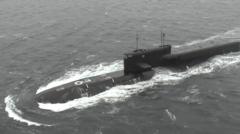
Why nuclear-powered submarines matter
Unlike conventional diesel-powered submarines, nuclear-powered attack submarines can:
-
Stay underwater for months at a time
-
Travel faster and farther without surfacing
-
Conduct long-range surveillance and deterrence missions
For South Korea, this would significantly enhance its ability to monitor North Korean naval activity and ballistic missile submarines, which are considered one of Pyongyang’s most dangerous capabilities.
Strategic implications for the region
The move strengthens the US–South Korea alliance and sends a clear message of deterrence to North Korea. It also reflects Washington’s willingness to share sensitive nuclear propulsion technology with close allies — something it has done only rarely, most notably with Australia under the AUKUS pact.
However, the decision is likely to raise concerns in China and North Korea, both of which may view the development as destabilising. Critics argue it could contribute to an arms race in the region, while supporters say it is a defensive response to growing threats.
What happens next
Developing nuclear-powered submarines is a complex, long-term process involving advanced engineering, training, and regulatory oversight. Even with US assistance, it could take years before South Korea deploys its first operational vessel.
Still, the agreement marks a significant step in reshaping the military balance in Northeast Asia and highlights how rapidly security strategies are evolving amid global geopolitical uncertainty.