In a significant public health milestone, Uganda has discharged its last confirmed Ebola patient, marking a major step toward ending the country's latest Ebola outbreak. The announcement has been celebrated by healthcare workers and public health officials as a "moment of joy," reflecting months of relentless efforts to contain one of the world's deadliest viruses.
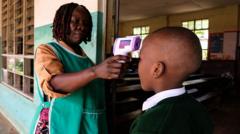
In a significant public health milestone, Uganda has discharged its last confirmed Ebola patient, marking a major step toward ending the country's latest Ebola outbreak. The announcement has been celebrated by healthcare workers and public health officials as a "moment of joy," reflecting months of relentless efforts to contain one of the world's deadliest viruses.
Uganda Reaches a Major Milestone
The last patient, who had been receiving treatment in Kampala, recovered successfully and was discharged after testing negative for the virus. With no active Ebola patients currently under treatment, Uganda has entered the critical monitoring phase required before the outbreak can officially be declared over.
According to WHO guidelines, a country must complete 42 consecutive days without any new confirmed Ebola cases before declaring an outbreak over. This period represents two full incubation cycles of the virus and helps ensure that transmission has truly stopped.
Although this milestone is worth celebrating, health authorities continue to monitor communities, trace contacts, and strengthen border surveillance to prevent any new infections.
Why This Matters
Uganda's response demonstrates the effectiveness of rapid public health measures, including:
- Early detection and diagnosis
- Isolation and treatment of infected patients
- Contact tracing
- Community awareness campaigns
- Strong collaboration between healthcare workers and international partners
These measures have helped prevent wider community transmission and saved lives.
The Situation in the Democratic Republic of the Congo
Despite Uganda's progress, concerns remain high in the neighboring Democratic Republic of the Congo. The WHO has reported that Ebola cases there continue to rise, with many infections linked to unknown chains of transmission.
Health officials face several challenges, including:
- Limited access to affected communities
- Ongoing regional insecurity
- Delayed reporting of new cases
- Difficulties tracing contacts
Because Uganda and the DRC share a border with frequent cross-border movement, authorities remain alert to the possibility of imported cases.
Understanding Ebola
Ebola is a severe viral disease that spreads through direct contact with the blood or bodily fluids of an infected person, or through contaminated objects.
Early symptoms typically include:
- Fever
- Headache
- Muscle pain
- Fatigue
As the illness progresses, patients may develop vomiting, diarrhea, and, in severe cases, internal or external bleeding. Early diagnosis and supportive medical treatment significantly improve survival rates.
A Reminder That Public Health Requires Global Cooperation
Uganda's success offers hope and demonstrates that coordinated public health action can effectively contain dangerous outbreaks. However, infectious diseases do not recognize borders. Continued international cooperation, disease surveillance, and rapid response remain essential to preventing future outbreaks.
As Uganda moves through its 42-day monitoring period, the country's progress serves as both a celebration of resilience and a reminder that global health security depends on sustained vigilance and collaboration.
Key Takeaway: Uganda has reached an important milestone by discharging its last Ebola patient, but health authorities will continue monitoring for 42 days before officially declaring the outbreak over. Meanwhile, the ongoing outbreak in the Democratic Republic of the Congo underscores the importance of continued preparedness and international cooperation in the fight against Ebola.