Japan Loosens Arms Export Rules in Shift from Post-WWII Pacifism
In a significant policy shift, Japan has eased its long-standing restrictions on arms exports—marking a notable departure from the pacifist stance it adopted after World War II. The move opens the door for Japan to sell weapons and defense equipment to more than a dozen countries, signaling a new direction in its security and foreign policy.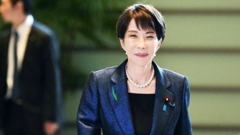
For decades, Japan maintained strict controls on military exports under its pacifist constitution, focusing primarily on self-defense. However, growing regional security challenges and evolving global alliances have pushed the government to reconsider its approach. Officials argue that the updated rules will strengthen defense cooperation with allies and contribute to regional stability.
The decision has sparked debate both domestically and internationally. Supporters see it as a necessary step in a changing geopolitical landscape, while critics worry it could erode Japan’s long-held commitment to peace and non-aggression.
As Japan navigates this transition, attention will be on how the policy is implemented and which countries become key partners under the new framework.